How to Transfer Frozen Embryos Between Clinics
Many intended parents and IVF patients find themselves needing to move embryos from one fertility clinic to another. Whether you’re relocating, changing providers, pursuing treatment abroad, or preparing for surrogacy, understanding how to transfer frozen embryos between clinics can help make the process smoother and less stressful.
The good news is that embryo transportation is a well-established procedure when handled by experienced professionals.
Can You Transfer Frozen Embryos to Another Clinic?
A common question patients ask is: can you transfer frozen embryos to another clinic?
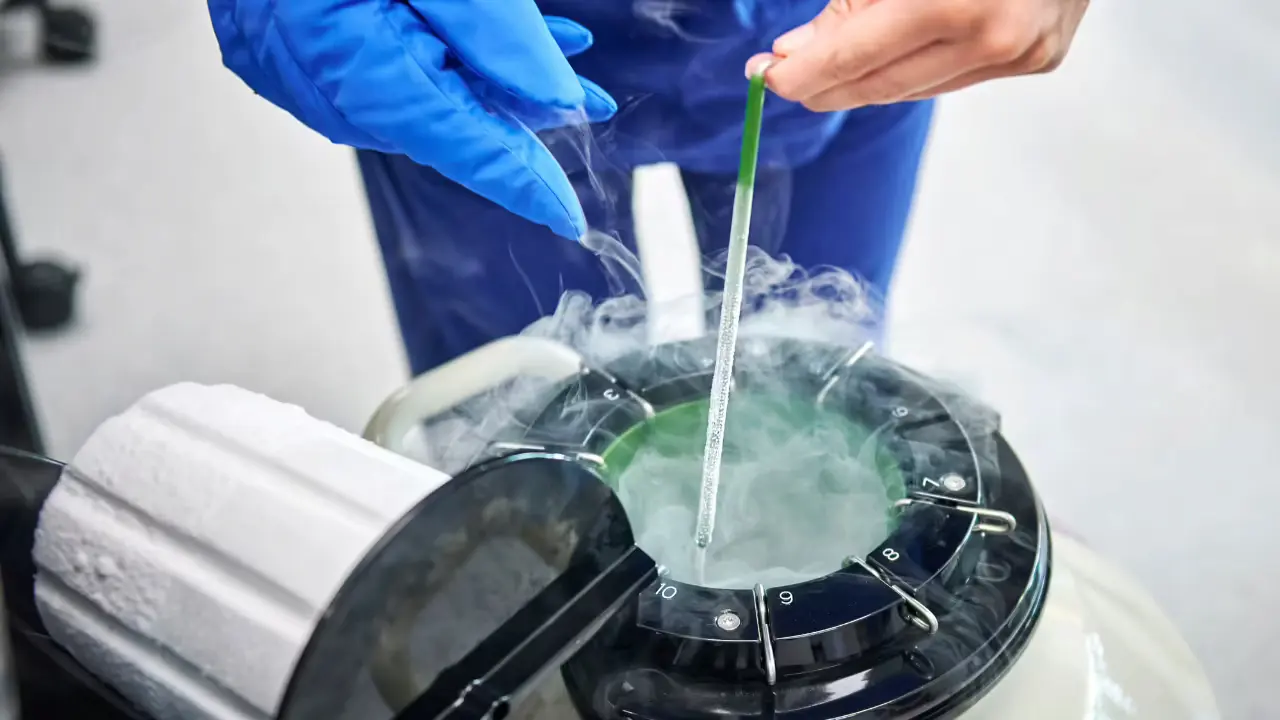
Yes, in most cases you can. Frozen embryos are stored in specialized cryogenic tanks at extremely low temperatures. As long as proper protocols are followed, embryos can be safely transported between clinics, fertility centers, and even countries.
Patients typically choose to transfer embryos between clinics for several reasons:
- Relocating to a new city or country
- Seeking treatment at a different fertility center
- Working with a surrogate in another location
- Accessing specialized fertility services
- Consolidating fertility treatments in one clinic
Before moving embryos, both the sending and receiving clinics must coordinate the transfer and ensure all documentation is complete.

The Process of Transferring Frozen Embryos
Understanding the steps involved can make the process feel more manageable.
Step 1: Select a Receiving Clinic
Before transportation can begin, you must choose the fertility clinic that will receive and store your embryos.
The new clinic will typically:
- Review your medical records
- Confirm storage availability
- Provide transfer authorization documents
Step 2: Complete Required Paperwork
Both clinics require signed consent forms before releasing embryos.
Documents may include:
- Ownership verification
- Patient consent forms
- Medical records requests
- Transportation authorization forms
Accurate paperwork helps ensure compliance with legal and medical requirements.
Step 3: Arrange Professional Transportation
The actual shipment should be handled by a specialized reproductive logistics provider.
Embryos are transported in cryogenic shipping containers that maintain ultra-low temperatures throughout the journey. These containers are designed specifically for biological materials and include temperature monitoring systems.
Step 4: Confirmation and Storage
Once the embryos arrive, the receiving clinic confirms their condition and places them into long-term storage until treatment begins.
Process of International IVF Embryo Transportation
The process of international IVF embryo transportation involves additional planning compared to domestic transfers.
When embryos cross international borders, several factors may need to be addressed:
- Customs documentation
- Country-specific regulations
- Import and export requirements
- Medical record verification
- Transportation permits where applicable
Working with a courier that specializes in reproductive tissue transportation can help ensure compliance with local and international regulations while minimizing delays.
Why Professional Handling Matters
Frozen embryos are highly valuable and irreplaceable. Professional transportation providers offer:
- Specialized cryogenic shipping equipment
- Continuous temperature protection
- Chain-of-custody tracking
- Coordination with fertility clinics
- Experience with international logistics
These safeguards help protect embryos throughout every stage of the journey.
How Much Does It Cost to Transfer Embryo to Another Clinic?
Another frequently asked question is: how much does it cost to transfer embryo to another clinic?
The total cost depends on several factors, including distance, destination, regulatory requirements, and the transportation provider.
Typical costs may include:
- Transportation service fees
- Clinic administration fees
- Documentation processing
- International customs or regulatory expenses
- Additional insurance options
Domestic embryo transfers are generally less expensive than international shipments. International transportation often involves additional logistics, permits, and coordination between clinics in different countries.
Requesting a detailed quote before scheduling the transfer can help you understand the full cost of the process.
Frozen Embryo Transfer Timeline
Many patients also want to understand the frozen embryo transfer timeline when moving embryos between clinics.
While timelines vary, a typical transfer process may include:
Week 1
- Select receiving clinic
- Gather medical records
- Complete initial paperwork
Week 2
- Obtain approvals from both clinics
- Schedule transportation
Week 3
- Embryos shipped and received
- Storage confirmed at destination clinic
Following Weeks
- Fertility treatment planning
- Preparation for embryo transfer procedure if applicable
The exact timeline depends on clinic responsiveness, documentation requirements, and whether the shipment is domestic or international.
Choosing a Trusted Embryo Transportation Partner
When planning to transfer embryos between clinics, selecting an experienced transportation provider is one of the most important decisions you’ll make. Safe handling, regulatory compliance, and reliable communication all play a critical role in protecting your embryos throughout the journey.
Embryo Courier specializes in secure domestic and international embryo transportation, helping intended parents, fertility patients, and clinics coordinate every stage of the process with confidence and care.
