What Is Cryopreservation? A Complete Guide to Embryo Freezing

If you’re exploring IVF or planning your fertility journey, you’ve likely come across the term cryopreservation. But what does it actually mean, and why is it such a crucial part of modern reproductive medicine?
In this guide, we’ll break down what is cryopreservation, how it works, and what it means for embryos, fertility treatments, and future family planning.
What Is Cryopreservation?
Let’s start with the basics: what is cryopreservation?
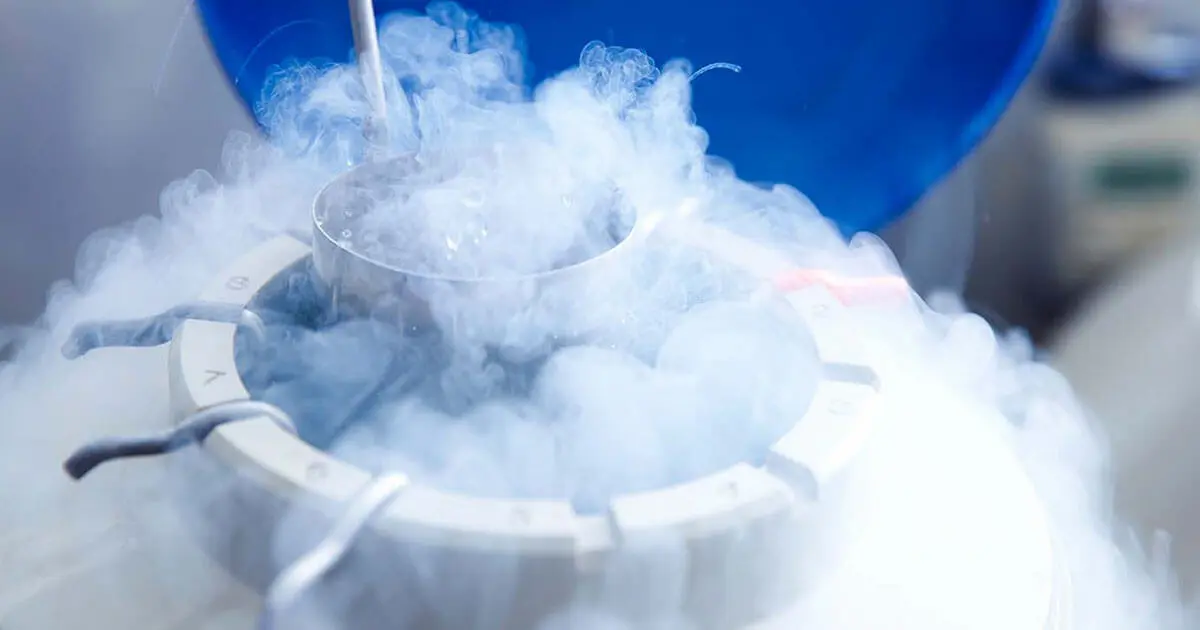
Cryopreservation is a scientific process where cells, tissues, or embryos are frozen at extremely low temperatures to preserve them for future use. These temperatures (usually around -196°C using liquid nitrogen) effectively pause all biological activity, keeping the material viable for years.
So, what is cryopreserved? In fertility care, it typically refers to:
- Embryos
- Eggs (oocytes)
- Sperm
Among these, embryos are the most commonly preserved due to their high survival and success rates after thawing.
What Is Cryopreservation of Embryos?

When people ask what is cryopreservation of embryos, they’re referring to the process of freezing fertilized embryos created during IVF for later use.
Why Is It Done?
Embryo cryopreservation allows individuals or couples to:
- Save extra embryos from an IVF cycle
- Delay pregnancy for personal or medical reasons
- Preserve fertility before medical treatments (like chemotherapy)
- Increase chances of pregnancy with future transfers
A frozen human embryo can later be thawed and transferred into the uterus during a frozen embryo transfer cycle.
The Embryo Cryopreservation Process
Understanding the embryo cryopreservation process can make the concept feel much more approachable.
Step-by-Step Overview
1. Embryo Development
After fertilization in the lab, embryos are monitored for several days (usually until day 5 or 6, known as the blastocyst stage).
2. Quality Assessment
Embryologists select the healthiest embryos based on development and appearance.
3. Freezing (Vitrification)
Embryos are rapidly frozen using a method called vitrification. This prevents ice crystal formation, which could damage cells.
4. Storage
The embryos are stored in liquid nitrogen tanks at ultra-low temperatures, where they can remain stable for years.
This advanced technique has significantly improved survival rates, with many embryos maintaining high viability after thawing.
How Long Can You Cryopreserve Embryos?
One of the most common questions is: how long can you cryopreserve embryos?
The short answer: for many years- potentially decades.
Research shows that embryos can remain viable even after 10-20 years of storage. The freezing process essentially pauses time, meaning the embryo does not age while preserved.
Key Insight
- Success rates depend more on the age of the egg at the time of freezing – not how long the embryo has been stored.
This makes embryo cryopreservation a powerful option for long-term family planning.
Benefits of Embryo Cryopreservation
The use of cryopreservation of embryos has transformed fertility care. Here’s why:
Flexibility and Control
- Plan pregnancy on your own timeline
- Reduce pressure during IVF cycles
Improved Success Rates
- Frozen embryo transfers often allow for better uterine preparation
- Some studies show comparable or higher success rates than fresh transfers
Reduced Medical Burden
- Fewer IVF cycles needed if embryos are already stored
- Lower physical and emotional stress
Transporting Cryopreserved Embryos
In today’s global world, embryos are often transported between clinics or even countries. This is where specialized services become essential.
Transporting a frozen human embryo requires:
- Strict temperature control
- Secure handling
- Compliance with medical and legal regulations
Any disruption in conditions could compromise the embryo, which is why professional handling is critical.
Final Thoughts
Understanding what is cryopreservation of embryos helps demystify one of the most important advancements in fertility science. From the embryo cryopreservation process to long-term storage, this technology gives people more options, flexibility, and hope on their path to parenthood.
Whether you’re planning ahead or in the middle of IVF, knowing your embryos can be safely preserved – and transported when needed – offers invaluable peace of mind.
Take the Next Step with Confidence
At EmbryoCourier.com, we specialize in the safe, reliable transport of cryopreserved embryos, eggs, and sperm between clinics worldwide. We understand the importance behind every shipment and handle each journey with precision and care.
Let us support your fertility journey by ensuring your embryos are transported securely – wherever they need to go.
